
The Dark Side of Success
Some bands reach success and try to repeat the same formula. Queensrÿche took another road.
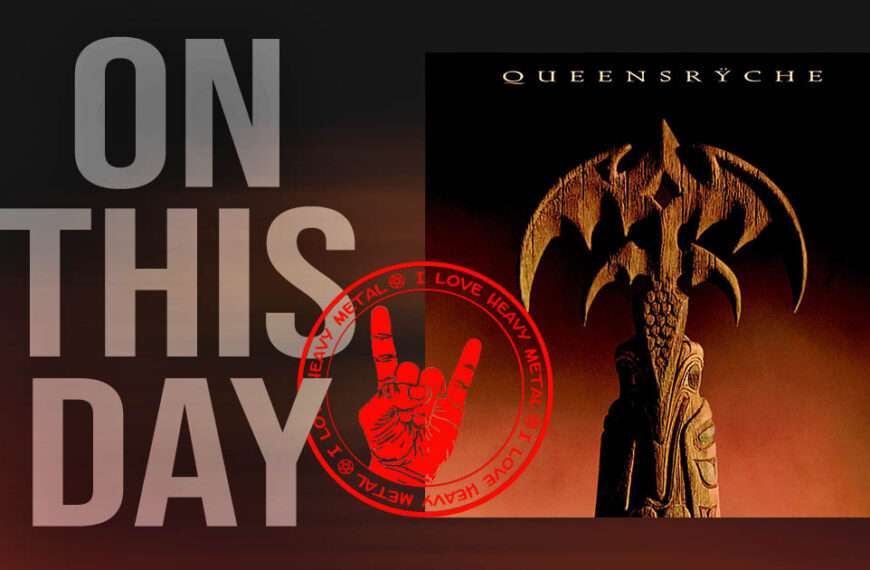
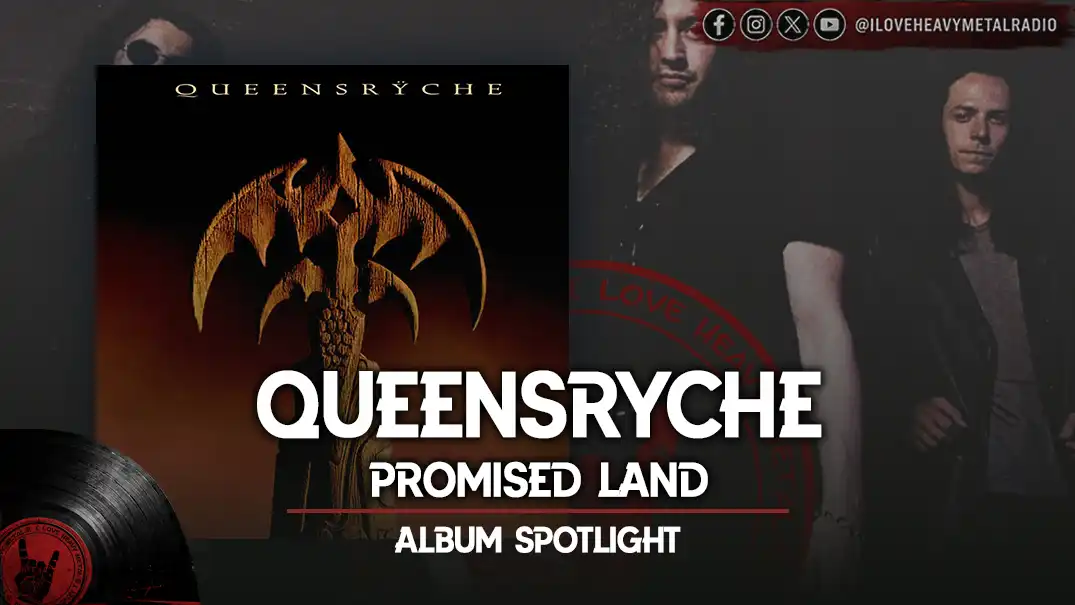
On October 18th, 1994, the American progressive metal band released “Promised Land”, their fifth studio album and the follow-up to the successful “Empire”. Instead of simply giving fans more of the same, the band went darker, more personal and more experimental.
The album still has heavy riffs and Geoff Tate powerful voice, but there is also a lot of space for acoustic guitars, piano, strange sound effects and quiet moments that hit differently from the heavier parts. You can hear the band exploring ideas rather than trying to write another collection of obvious hits.
And the title says a lot. What happens when you get what you wanted, reach the top and discover that success doesn’t solve everything?
That question runs through the entire album.
A Different Kind of Queensrÿche Album
Released through EMI, “Promised Land” was recorded away from the usual studio routine. The band worked in a remote cabin called Big Log in the San Juan Islands, north of Seattle. Geoff Tate recorded his vocals in another cabin, around 500 yards away from the rest of the band.
That isolated setting fits the mood of the record. There is a sense of distance running through these songs, even when the music gets heavy.
The album debuted at number 3 on the US Billboard 200 and eventually achieved Platinum status in the United States. It became Queensrÿche highest-charting album, proving that a darker and more introspective direction could still reach a wide audience.
But the real story is in the music.
From Death to Rebirth: The Opening
The album doesn’t begin with a guitar riff. Instead, Scott Rockenfield 9.28 a.m. creates a strange, cinematic atmosphere using recorded sounds and effects.
It starts with the flat sound of an electrocardiograph before moving toward the cry of a newborn baby. Death, a journey through the ether and rebirth are all part of the idea behind this short introduction. Even the title has a personal connection: 9:28 a.m. was the time Rockenfield was born.
The sounds aren’t just there to make the intro feel unusual. Rockenfield recorded natural sounds with a portable ADAT recorder and shaped them with effects, building his own sound world. Some of those recordings appear elsewhere on the album, including a train sound on “Disconnected”.
Then comes “I Am I” and suddenly the guitars take over.
Driven by a heavy riff and Tate vocals, the song brings percussion, cello and sitar into the mix. Chris DeGarmo handles the cello and sitar parts, as well as the guitar solo. It’s a strong opening song, but it also gives you an early warning that this album won’t follow the usual rules.
“Damaged” follows with a more direct heavy rock attack. After the unusual introduction and the different sounds of “I Am I” it feels like the band reminding us that they haven’t forgotten how to rock.
The Personal Side of Promised Land
Some of the album most powerful moments come when the band turns down the volume.
“Out of Mind” and “Bridge” bring acoustic sounds and a more intimate mood. Both feature lyrics written by DeGarmo, but “Bridge” carries a particularly personal story. It digs with his relationship with his father who died during the album recording sessions.
That knowledge gives the song an extra emotional weight. There is no need for a massive guitar solo or a wall of sound when the subject is this personal.
And Queensrÿche understood that.
The album returns to this stripped-down approach at the end with “Someone Else?”, a fragile closing track featuring only Tate vocals and DeGarmo piano. After all the riffs, effects and different musical ideas, the record finishes with almost nothing between the listener and the emotion in the song.
It’s a brave way to close an album and it makes the journey feel complete.
The Title Track: When Success Isn’t Enough
At eight minutes, “Promised Land” is one of the album central pieces. It’s also the first Queensrÿche song credited to the entire band.
Dark and atmospheric, it brings together Rockenfield tape effects, the twin-guitar work of DeGarmo and Michael Wilton and Tate first appearance as a saxophone player on the record.
The song explores the drawbacks of success. That subject makes the title more interesting than it first appears. A promised land sounds like the place where everything finally works out. But what if getting there leaves you feeling empty?
The track ends in a bar, with people talking and drinking in the background. Those sounds then flow into “Disconnected”, creating a connection between the songs rather than a hard stop.
It’s a small detail, but it’s exactly the kind of thing that makes “Promised Land” worth listening to as a complete album instead of just picking out a few tracks.
A World Full of Noise and Disconnection
“Disconnected” turns its attention toward American consumer society, using an alienating atmosphere and Tate saxophone to help build its sound.
The subject continues with “Lady Jane”, a ballad featuring DeGarmo on piano and another twin-guitar solo. This time, the focus is on the influence of commercials.
These songs might have been written in 1994, but the ideas behind them are easy to recognize. The pressure to consume, the constant noise around us and the feeling of being disconnected from everything are hardly limited to one decade.
“My Global Mind” brings back a more energetic rock sound while exploring globalization. Then “One More Time” slows things down with an acoustic rock approach and lyrics that connect with the album larger themes.
Each song adds something to the record world. Some hit harder than others, but the changes in mood are part of what makes the album different.
Strange Sounds, Junkyard Percussion and a PC Game
The recording sessions also produced some unusual sounds. For tribal like and industrial effects, Rockenfield and the band used everyday and junkyard objects, including garbage cans, barbecue lids and wheelbarrows.
It’s a good example of the experimental spirit behind the album. Instead of relying only on standard instruments, Queensrÿche looked for sounds that could give the music a different character.
And the “Promised Land” world didn’t stop with the record itself. In March 1996, the band dropped an interactive PC CD-ROM game tied directly to the album launching it alongside a wave of companion media.
The album later received a full remaster on June 10th, 2003, packaged with several bonus tracks.
Final Verdict: An Album That Takes Its Time
“Promised Land” isn’t the kind of album that tries to win you over with a big riff every few seconds. It asks you to slow down, listen to the details and follow the mood from the first strange sounds of 9.28 a.m. to the lonely piano of “Someone Else?”.
There are heavy moments, beautiful acoustic path, unexpected instruments and plenty of atmosphere. The production ideas help give the songs their own identity, while the lyrics explore what success, isolation and personal loss can mean.
For fans who wanted another “Empire”, this darker direction may have been a surprise. But Queensrÿche clearly had other things on their minds, and they weren’t afraid to follow them.
Released on October 18th, 1994 “Promised Land” remains a fascinating chapter in the band story. A platinum-selling record that looked beyond the rewards of success and asked what those rewards are really worth.
Now it’s your turn: Is “Promised Land” one of Queensrÿche best albums or do you prefer the heavier sound of their earlier records?

 By
 By