
The Hidden Stories Behind the Thrash Classic
Some metal albums are remembered for their perfect production. Others become legendary because of the riffs, the atmosphere, or the stories hiding beneath the surface. Testament “Souls of Black” belongs to the second category.
Released on October 9th, 1990, is the fourth studio album from the Bay Area thrash metal giants arrived under enormous pressure. It delivered memorable songs and some of the band signature guitar work, but its rushed creation and controversial production left a complicated legacy.
More than three decades later “Souls of Black” remains an intriguing chapter in Testament history. From abandoned demos and tracks that rarely appeared on stage to dark lyrical themes and an eerie album cover, there’s much more to this record than meets the eye.
1. An Album Written Against the Clock
Imagine being told that you need a new album ready before you can join one of the biggest thrash metal tours of the era. That was the situation Testament faced before the legendary European “Clash of the Titans” tour, alongside Megadeth, Slayer and Suicidal Tendencies.
The record label gave the band an ultimatum: if Testament wanted to join the tour, a new album had to be in stores. The clock was ticking and the band had to move fast.
Instead of spending months making fresh material Testament reportedly pulled the writing and recording process together in just four to five weeks.
That pressure shaped the album in a major way. Many of its songs came from reworked and rewritten demos dating back to the late 1980s. Material the band had previously abandoned or left unreleased suddenly became the foundation of a new record.
The result was “Souls of Black” an album created out of necessity rather than the luxury of an extended writing process.
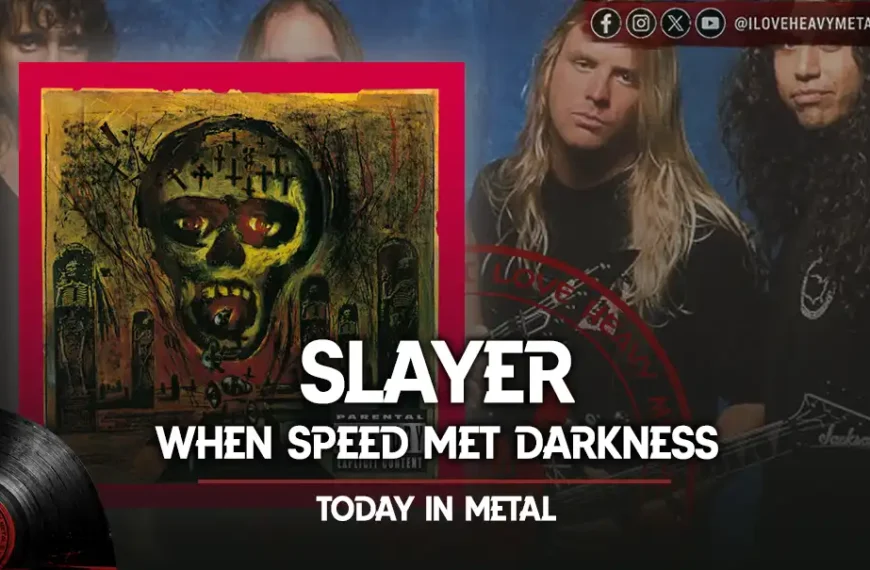
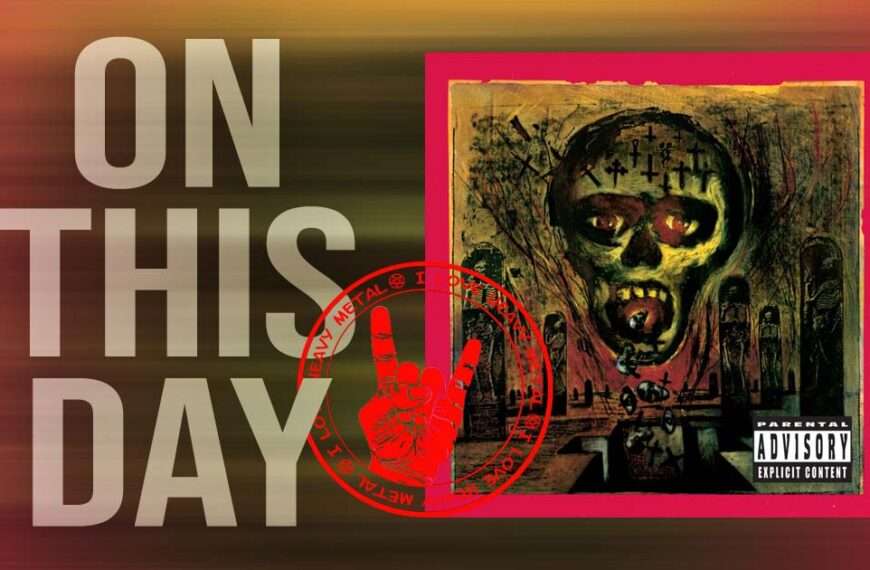
And here’s another remarkable coincidence: Testament released it on the exact same day as Slayer landmark album “Seasons in the Abyss”. Both records arrived on October 9th, 1990, giving thrash metal fans two major releases to celebrate on the same day.
2. Why Does “Souls of Black” Sound So Different?
One of the most debated aspects of “Souls of Black” is its production.
Compared with the heavier sound of Testament previous album “Practice What You Preach” the guitars on “Souls of Black” often feel thinner and less powerful. Eric Peterson rhythm guitar work doesn’t always have the weight fans might expect, while the mix gives the vocals and drums a more prominent position.
The tight recording schedule is often discussed as a possible explanation for the album sound. The band didn’t have much time to improve the recordings and create the layered guitar sound that would have increased the impact of the tunes.
Support our Work and the Radio
Buy us Beer🍻
Over the years, audiences have been divided by the mix’s hollow, cavernous tone.
For some fans, this production is part of the album identity. For others, it holds back material that deserved a much heavier presentation.
The controversy became particularly significant because Testament themselves were reportedly unhappy with the original mix. Chuck Billy later confirmed that the band retrieved the original two-inch master tapes to remix and remaster the album for its 35th anniversary.
The goal was to give “Souls of Black” another chance, bringing the instruments into better balance and allowing the music to hit with the weight it was missing.
But here’s the question: would a heavier mix change the way you hear this album or is its original sound part of its charm?
3. The Songs That Almost Never Hit the Stage
“Souls of Black” reached No. 73 on the Billboard 200 giving Testament their highest chart position at that point in their career. Yet commercial success didn’t necessarily translate into a lasting place for the album in the band live shows.
The title track became the record most enduring live song. Its memorable guitar work, eerie bass introduction and politically charged message helped it stand out from the rest of the tracklist.
Other songs had a much quieter life on stage.
“The Legacy” hasn’t been performed live since 2011, according to the performance history provided for this article. Four tracks have never been played live by the band: “Beginning of the End”, “Love to Hate”, “One Man’s Fate” and “Seven Days of May”.
That’s a surprising fate for an album filled with songs that have their own distinctive character.
“Beginning of the End” lasts just 36 seconds, opening with a Spanish flamenco-style acoustic guitar passage before the album moves into heavier territory. It’s a brief, unexpected moment that contrasts sharply with the thrash metal that follows.
Then there’s “The Legacy” a moody, progressive ballad whose title connects directly to the band early history. Legacy was the group previous moniker before to Testament 1987 debut, but legal concerns forced them to change it.
All of a sudden, the song transcends its status as a mere album tune. It also carries a reminder of the band beginnings.
With the anniversary remix and plans to perform the entire album live, these neglected songs could finally receive the attention they have missed for years.
4. Hidden Stories Inside the Lyrics
The musical details are only part of what makes “Souls of Black” interesting. Several tracks explore dark subjects that go beyond the usual thrash metal themes.
“Malpractice” – A Medical Horror Story
Driven by shifting time signatures and a more progressive musical structure “Malpractice” stands out as one of the album most complex tracks.
The song lyrics describe a horrifying procedure and medical misconduct. Continually changing melodic direction is matched by the uncomfortable mood created by the subject matter.
Testament creates a sense of dread throughout the narrative instead of depending solely on speed and aggression. Additionally, the song alludes to the darker lyrical realm that the band would eventually explore in the 1990s.
“Seven Days of May” – Politics Beneath the Riffs
At first listen “Seven Days of May” might sound like another aggressive thrash metal track. Look deeper, however and its subject matter becomes much more politically charged.
The song reflects the geopolitical tensions of the late 1980s, touching on government corruption, fears of military coups and the rapid collapse of the Eastern Bloc.
Its themes give the track a different kind of intensity. Instead of focusing on personal conflict or horror, it turns toward the instability and uncertainty surrounding political power.
The title might not immediately reveal the full story, but the subject matter adds another layer to an album already shaped by darkness and tension.
“Absence of Light” – Into the Psychological Abyss
“Absence of Light” takes a different route, exploring depression, sleep paralysis and psychological isolation.
Its slower, heavier groove contrasts with the breakneck speed associated with early Testament songs such as “Over the Wall”. Rather than pushing forward relentlessly, the track creates space for a darker, more oppressive atmosphere.
That shift is important. Thrash metal doesn’t always need to move at full speed to feel aggressive. Sometimes, a slower groove and a disturbing subject can make a song feel even more uncomfortable.
Together, these three tracks show different sides of “Souls of Black”: physical horror, political uncertainty and psychological darkness.
5. The Visual Legacy of the Cover Art
The album artwork deserves its own place in the story.
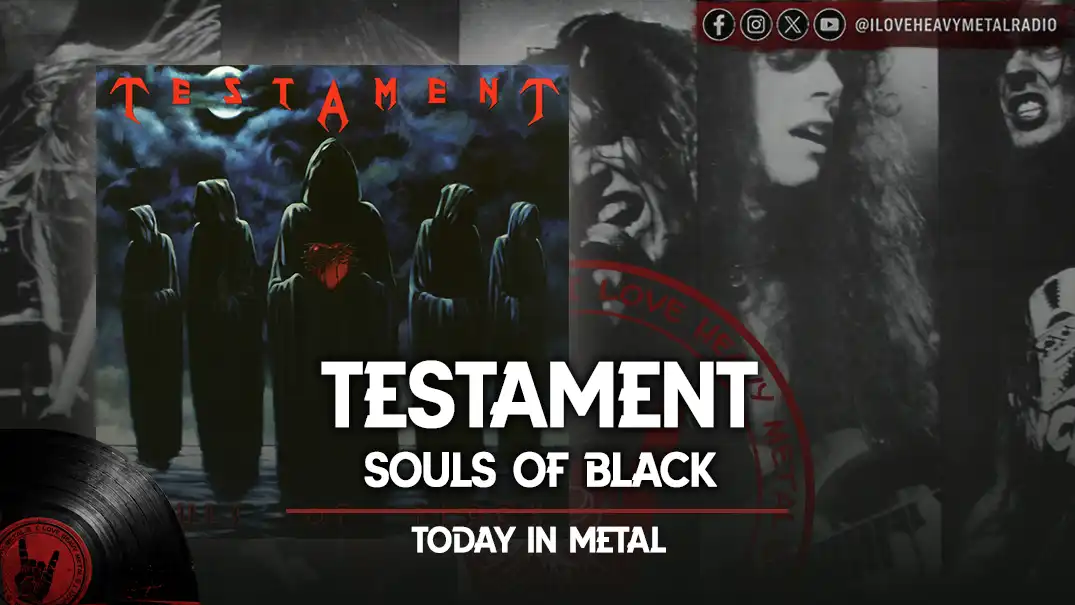
The cover depicts cloaked, faceless, phantom-like figures standing over water beneath a dark, stormy sky and a menacing moon. The image fits the music brooding atmosphere, creating a sense of mystery without relying on graphic violence.
The concept was originally developed by Testament rhythm guitarist Eric Peterson, who wanted artwork that reflected the eerie mood of the title track. Artist William Benson then brought the idea to life through an oil painting.
The result stands apart from the brighter, more literal and sometimes cartoonish imagery associated with many 1980s metal covers.
Instead of presenting a straightforward scene “Souls of Black” creates an atmosphere. The faceless figures, dark landscape and threatening sky leave room for making the cover feel anxious even before the music begins.
That visual approach fits the album place at the turn of the decade, when metal artwork increasingly explored darker and more atmospheric imagery.
The cover doesn’t need to explain the songs. It simply pulls you into their world.
A Second Chance for “Souls of Black”?
For an album created under intense time pressure “Souls of Black” left behind a complicated but fascinating legacy.
Its rushed recording, controversial production, memorable title track and rarely performed songs. Beneath the familiar riffs are stories about the band early identity, political instability, psychological darkness and a creative process that left little room for perfection.
The planned anniversary remix offers an opportunity to revisit those songs with fresh ears. And if Testament follows through with performing the album in its entirety, tracks that have spent decades away from the stage could finally get their moment.
Perhaps that’s what makes “Souls of Black” so interesting: it’s not simply a record that arrived during a demanding period for Testament. It’s an album whose imperfections became part of its story.
Now it’s your turn, metalheads: Does “Souls of Black” deserve more recognition in Testament discography, or did its original production hold back a potentially greater thrash classic?
Let us know which track deserves to be played live more often. 🤘

 By
By
 By
By