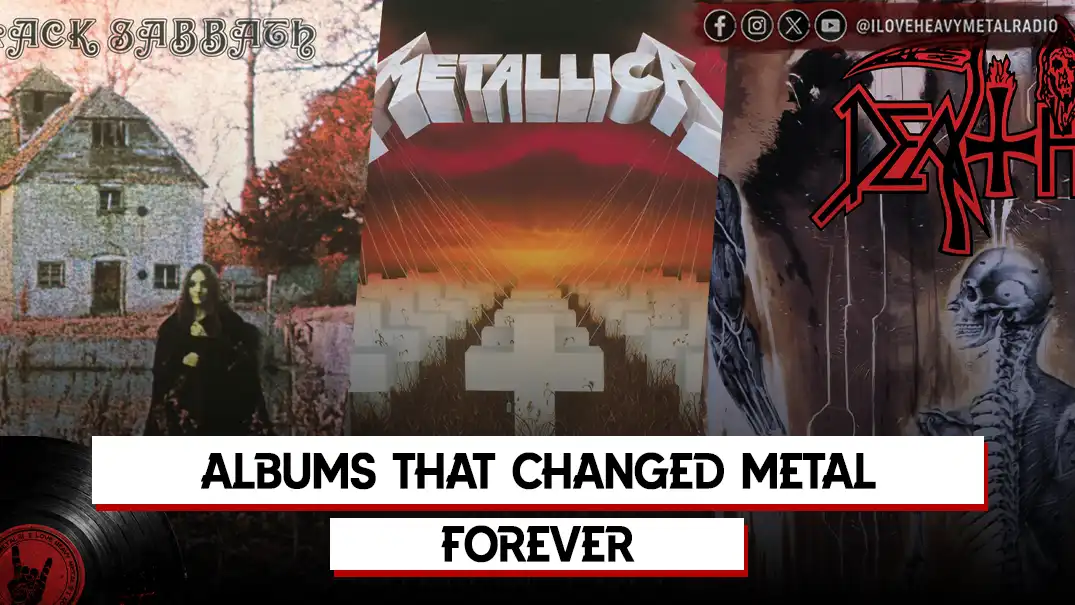

Some albums are remembered because they sold millions of copies. Others are remembered because they changed the way heavy music sounded. They introduced new guitar styles, different ways of writing songs and ideas that later became part of entire metal genres.
Here are eight albums that helped shape the metal we know today and the details that made them stand out.
Black Sabbath – “Black Sabbath”
Is not easy to talk about the birth of heavy metal without mentioning Black Sabbath. Their debut album didn’t sound like the optimistic rock music that was popular at the time. It was darker, heavier and full of ideas that would later become part of metal identity.
The title track opens with the sound of a tolling bell, rain and thunder before Tony Iommi guitar takes over. Its main riff is built around the diminished fifth interval, also known as the tritone or the “devil’s interval”. That dissonant sound gives the song its eerie feeling.
Iommi also helped create a much heavier guitar tone by tuning his instrument down. After losing the tips of two fingers in an industrial accident, he used lighter strings and lower tunings to make playing easier. The result was a thicker, heavier sound that became one of the band’s trademarks.
The lyrics were another big change. Instead of the usual rock themes about love and good times Geezer Butler explored horror, the occult, war and darker sides of reality.
The title track became a big influence on doom metal, while the album’s heavy, blues based riffs and dark atmosphere helped inspire generations of metal bands. Its influence can be heard in doom, stoner and sludge metal, as well as later extreme metal.
This wasn’t simply a loud rock record. It helped create the language of heavy metal.
Black Sabbath – “Paranoid”
Released in the same year as their debut, “Paranoid” took Black Sabbath heavy sound even further. Tony Iommi’s down tuned riffs, Geezer Butler thick basslines and Bill Ward’s jazz-influenced drumming created a sound that was heavier and darker than much of the rock music around them.
The title track has an interesting story behind it. The album was recorded in just a few days, and “Paranoid” was written and arranged in under 30 minutes as a last-minute addition. It became one of the band’s most famous songs.
The lyrics went beyond typical rock themes. “War Pigs” attacked war, “Electric Funeral” imagined nuclear destruction, “Paranoid” dealt with mental illness, and “Hand of Doom” explored drug abuse. The gloomy industrial surroundings of Birmingham also helped shape the band’s dark outlook.
The album’s influence reached far beyond heavy metal. The slow, crushing riffs of “Iron Man” and “Electric Funeral” helped shape doom metal, while the heavy bass-driven sound of “Hand of Doom” influenced sludge metal. Musicians such as Steve Harris also looked to Black Sabbath for inspiration.
“Paranoid” showed that heavy metal could be heavy, dark and powerful while still offering different sounds and ideas.
Judas Priest – “Sad Wings of Destiny”
With “Sad Wings of Destiny” Judas Priest helped shape the sound and image of traditional heavy metal. One of the album biggest strengths was the combination of Rob Halford’s powerful, operatic vocals and the twin-guitar work of Glenn Tipton and K.K. Downing.
The two guitarists brought complex riffs, harmonised leads and duelling solos that would become a major part of the heavy metal sound. Halford’s high notes and piercing screams also gave metal singers a new standard to aim for.
The songwriting moved between different moods. “Victim of Changes” is a long, multi part track that became a regular part of the band’s live shows. “The Ripper” is faster and sharper, while “Dreamer Deceiver” slowly builds into the heavier “Deceiver”.
The lyrics also moved away from familiar blues rock subjects. The songs explored murder, insanity, fascism and death, making the album darker and more dramatic feel.
The record was made on a very limited budget at Rockfield Studios, where the band reportedly lived on very little food during the sessions. Despite those difficult conditions, it helped move Judas Priest from a struggling band towards becoming one of the important names in the emerging New Wave of British Heavy Metal.
It also introduced the Fallen Angel artwork, an image the band would revisit years later on albums such as “Painkiller” and “Angel of Retribution”.
Mercyful Fate – “Melissa”
Mercyful Fate made something different to heavy metal with “Melissa”. The album had dark occult themes, dramatic vocals, complicated guitar work that would influence metal musicians for many years to come.
King Diamond voice was impossible to mistake. His blend of piercing falsetto screams, soaring operatic notes, and dark, haunting lows injected a massive sense of theater into the music. Instead of simply singing over the music he made his voice part of the dark atmosphere.
Guitarists Hank Shermann and Michael Denner added another important element. Their twin guitar harmonies, fast solos and neo classical touches gave the songs a more complex and progressive structure.
The album also showed that heavy metal songs didn’t have to be short. The 11-minute “Satan’s Fall” and the seven minute title track “Melissa” take listeners through different musical sections without losing their heavy sound.
Its occult lyrics and dark style became a important influence on black metal, especially the second wave that developed in the 1990s. Its impact also reached thrash metal bands such as Metallica, Megadeth and Slayer as well as early death metal acts.
“Melissa” showed how far heavy metal could go when musicians mixed technical guitar playing, theatrical vocals and a darker vision.
Metallica – “Master of Puppets”
“Master of Puppets” by Metallica set a new standard for thrash metal. The album had a lot of different things in it, like tight picked guitar rhythms, fast, aggressive riffs, and changes in speed that made the songs more interesting.
It wasn’t all speed and aggression, though. “Battery” opens with an acoustic passage before exploding into thrash while “Welcome Home (Sanitarium)” moves between quieter melodies and heavy sections. The title track builds through several musical parts, proving how much could be done without losing the intensity.
The lyrics also looked beyond fantasy and horror. Title track explores addiction and control from the perspective of the substance controlling the person. Other songs deal with war, power and psychological struggles.
“Master of Puppets” was the final Metallica studio album to feature founding bassist Cliff Burton. His musical knowledge and melodic approach can be heard especially on the instrumental “Orion” which remains one of the album highlights.
The record became the first thrash metal album to achieve platinum status in the United States and helped take Metallica from the underground scene to a much larger audience. It eventually sold nearly eight million copies in the US and was selected for preservation in the US National Recording Registry in 2015.
It remains one of the records that helped bring thrash metal to a worldwide audience.
Slayer – “Reign in Blood”
Slayer’s “Reign in Blood” pushed thrash metal into even more extreme territory. Running for less than 29 minutes, the album wastes very little time. Its speed, sharp riffs and relentless drumming created a level of intensity that influenced the next generation of extreme metal bands.
Producer Rick Rubin and engineer Andy Wallace helped give the record a different sound. They created a much drier and clearer sound, instead of the thick reverb that is often found on heavy metal albums. Even at high speed, the guitars remained sharp and aggressive rather than getting lost in the noise.
The opening track, “Angel of Death” became one of the album most controversial songs. It describes the horrific human experiments carried out by Josef Mengele at Auschwitz. The subject caused controversy and contributed to delays in distribution but the album was eventually released through Geffen Records.
With records such as Metallica “Master of Puppets”, Megadeth “Peace Sells… but Who’s Buying?” and Anthrax “Among the Living”, this album helped define the golden era of American thrash metal.
Its speed and aggression also helped pave the way for death metal. The album entered the US Billboard 200 at number 94 and later received Gold certification in 1992.
Less than half an hour was enough for Slayer to make a record that would influence extreme metal for decades.
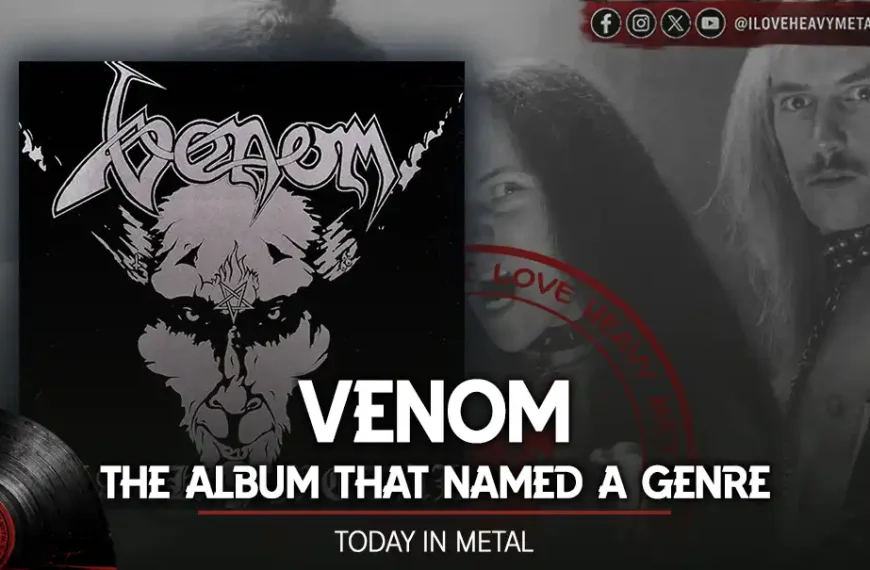
Venom – “Black Metal”
Venom’s “Black Metal” was rough, loud and chaotic. It mixed the speed and drive of Motörhead with the raw aggression of punk, making sound that was far removed from the more polished heavy metal productions of the time.
Title track gave the black metal genre its name. The album was also instrumental in the incorporation of occult imagery, Satanic themes and dark stage shows into the band’s identity.
The production was bringing raw, with distorted bass, raspy vocals and a rough guitar sound. Even the title track included unusual sound effects, including a chainsaw like noise created using metal plates.
Venom’s influence reached early thrash bands such as Metallica, Slayer and Exodus which picked up on their speed and rebellious attitude. The album also inspired early death metal bands such as Possessed.
Its biggest legacy may be its impact on the second wave of black metal. Bands such, as Mayhem, Burzum and Darkthrone took inspiration from sound, occult atmosphere and strict approach.
Venom didn’t need perfect production or technical playing to make an impact. “Black Metal” helped open the door for a much more extreme side of heavy music.
Death – “Human”
When “Human” by Chuck Schuldiner was released Death was moving away from the death metal sound of their earlier records. This album brought in a group of musicians including Paul Masvidal and Sean Reinert from Cynic along with bassist Steve Di Giorgio, from Sadus.
The difference was easy to notice. The songs had complicated time signatures, shifting rhythms, jazz fusion elements, smooth bass solos and clear guitar sections. The music remained intense. It asked more from the musicians and the people who listened to it.
The lyrics also took a different direction. Instead of focusing on traditional horror and gore, Schuldiner explored human psychology, philosophy, the mind and the abuse of power.
“Human” became an important record in the development of technical and progressive death metal. Its complex arrangements helped show that extreme metal could be brutal while also being highly detailed and adventurous.
It was Death’s best selling album at the time and brought the band to a wider audience. The video for “Lack of Comprehension” also received MTV airplay, giving the band visibility beyond the underground death metal scene.
“Human” helped change what people expected from death metal, proving that technical skill, melody and extreme heaviness could exist together.
Metal Wouldn’t Sound the Same
From Black Sabbath dark riffs to Death’s complex arrangements, these albums pushed heavy music in different directions. Some helped create new genres, others changed how guitars and vocals were used, and a few brought extreme metal to a much wider audience.
They didn’t all sound alike and that is the point. Heavy metal kept growing because musicians wanned to try something different.
Which of these albums had the biggest impact on metal in your opinion? And which record would you add to this list?


 By
 By

 By