
Yellow and black stripes, soaring vocals, twin guitar solos and a message that made some people angry. Stryper never looked or sounded like the usual glam metal band, and on October 24, 1986 they released the album that changed everything for them.
“To Hell with the Devil” was their third album, blending heavy metal and catchy hooks with openly Christian lyrics. It climbed to No. 32 on the Billboard charts and became the first Christian metal album to go platinum, selling over a million copies.
Stryper had a message to deliver and they were loud enough for the whole world to hear it.
Stryper Took Over MTV
The album gave us “Calling on You”, “Free”, “Honestly” and the title track. The songs had big choruses, strong guitar work, and Michael Sweet’s soaring vocals. They could sit alongside the biggest glam metal hits of the 1980s without Stryper hiding what they believed in.
“Honestly” became their biggest chart hit, reaching No. 23 on the Billboard Hot 100. The videos for “Free” and “Honestly” reached No. 1 on MTV’s Dial MTV, while “Calling on You” climbed to No. 2.
For a band singing about faith in a scene full of hairspray, leather, and wild rock-star images, that was a serious achievement. Stryper weren’t just getting attention from Christian music fans. They were reaching metalheads who might never have picked up a Christian rock album.
And they did it without changing their message.
The Cover That Caused Trouble
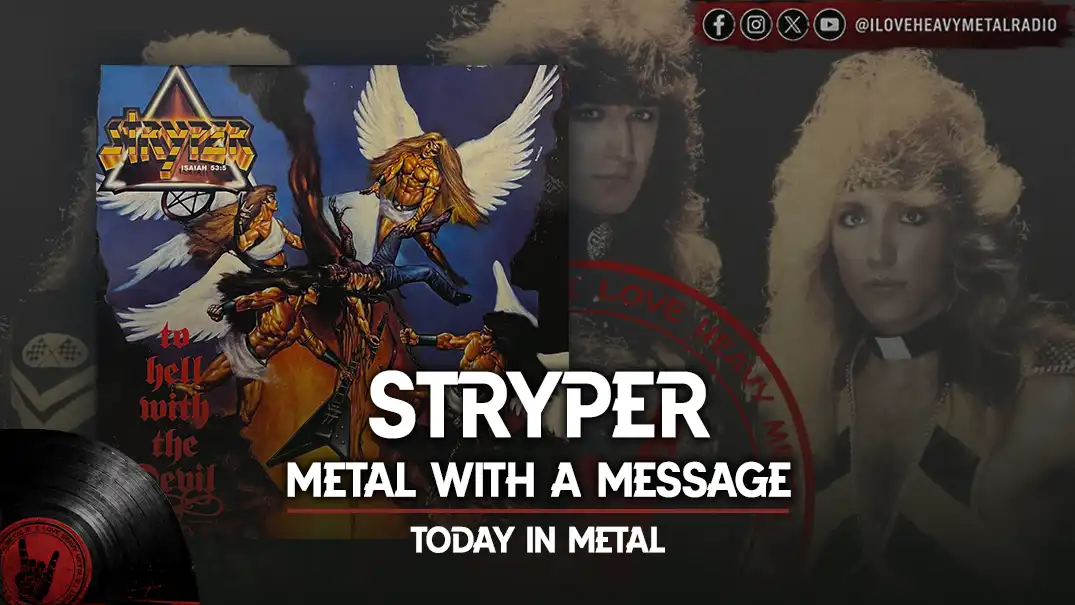
The original album cover showed four long-haired angels, resembling the band members, casting the devil into a pit of fire. It was bold, dramatic, and very much in line with the album title.
But some retailers and conservative Christian groups found the artwork too much. Later pressings replaced it with a plain black cover featuring Stryper’s yellow-and-black logo.
It’s a strange twist: a band that was already facing criticism for mixing Christianity with heavy metal ended up dealing with complaints from people who thought its religious imagery went too far.
If you have a pressing with the original cover, hold on to it. That artwork is part of the album’s story.
The Bassist Who Wasn’t on the Record
Here’s a piece of Stryper history that might surprise you.
Tim Gaines was the band’s original bassist and was credited on “To Hell with the Devil”. But he didn’t actually play bass on the album. Session musician Brad Cobb recorded the bass parts instead.
The band had briefly considered Matt Hurich of Leatherwolf, but that arrangement fell through. Gaines was brought back before the major tour began, and the original lineup was together again.
So the record that helped push Stryper into the big leagues featured a musician who wasn’t even part of the final album recordings. Sometimes the stories behind a metal record are almost as wild as the music itself.
C.C. DeVille Almost Joined Stryper?
Before becoming known as Poison’s guitarist, C.C. DeVille auditioned for Stryper and was reportedly offered the spot. He turned it down, with the band’s yellow-and-black striped look said to be one reason.
Imagine that alternate version of the 1980s glam metal scene!
The stripes became Stryper’s trademark, making them instantly recognizable. They weren’t just a fashion choice, either. The band’s name and logo connected directly to its Christian beliefs, including the reference to Isaiah 53:5.
Drummer Robert Sweet also gave the name an expanded meaning: “Salvation Through Redemption Yielding Peace, Encouragement and Righteousness”.
Whether fans came for the music, the message or the visual identity, Stryper made sure nobody confused them with another band.
From a Camaro to the Big Stage
Even the album’s first listens came with a rock-and-roll story. Michael and Robert Sweet listened to the finished mixes in cars rather than making a big event out of a fancy studio playback. They heard “Sing-Along Song” in Robert’s IROC-Z Camaro and listened to the title track in a Ford Escort.
They knew they had something special.
The album success led to a major tour, where Stryper famously threw thousands of yellow-and-black New Testament Bibles into the crowd. That image summed up the band: heavy metal showmanship mixed with a message they weren’t willing to leave backstage.
But their success didn’t mean everyone welcomed them. Some church groups picketed the band, and televangelist Jimmy Swaggart became one of its notable critics despite the Sweet brothers having been inspired to become Christians by his televised sermons.
You couldn’t make this stuff up.
A Landmark for Christian Metal
Released on October 24, 1986 “To Hell with the Devil” helped prove that a Christian metal band could compete on the mainstream stage. It went platinum, produced hit singles and put Stryper videos into heavy rotation on MTV.
The album still has everything that makes 1980s metal fun: Huge choruses, flashy guitars, soaring vocals and a band that wasn’t afraid to stand out. But its place in metal history comes from something bigger, too. Stryper broke through without hiding the beliefs that made them different.
What’s your take on “To Hell with the Devil”? A glam metal classic that broke barriers or does Stryper’s earlier or later material hit harder for you?

 By
 By