Nevermore was one of the most unique and avant-garde bands in progressive metal. Having sprung from the ashes of Seattle’s thrash movement in the early 1990s. Nevermore immediately established a reputation for their technical mastery, profound lyrics and intense, emotionally charged music through their fusion of progressive metal, thrash and gloomy, atmospheric compositions. Under the direction of legendary singer Warrel Dane and guitarist Jeff Loomis virtuosity, the band blazed a new metal trail, inspiring a generation of artists and leaving a lasting legacy.
Origins: From Sanctuary to Nevermore
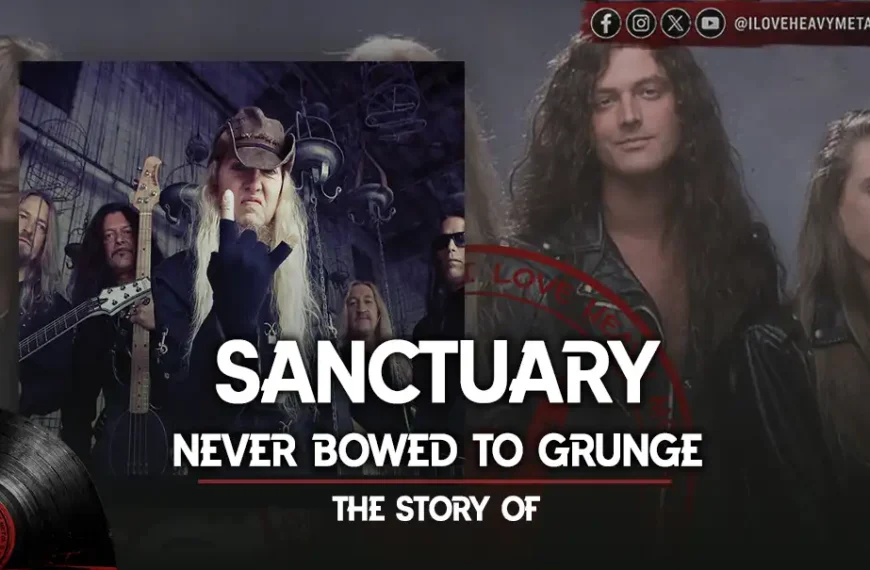
Nevermore roots trace back to the late 1980s thrash band Sanctuary, which featured Warrel Dane as lead vocalist and Jim Sheppard on bass. Sanctuary found moderate success with their 1988 debut “Refuge Denied” produced by Dave Mustaine of Megadeth. However, with the rise of grunge in the early ’90s, Sanctuary style of thrash metal was falling out of favor with record labels, leading to internal tension and the eventual dissolution of the band in 1992.
Willing to keep creating music Dane and Sheppard joined forces with a teenage guitar virtuoso named Jeff Loomis to create a new band that would push the limits of metal. In an effort to produce a sound that combined the intricacy and experimentation of progressive metal with the intensity of thrash they established Nevermore in 1992 with drummer Van Williams.
Debut and Early Albums: Nevermore and The Politics of Ecstasy
Nevermore released their self-titled debut album in 1995 through Century Media Records. The album showed the band signature combination of heavy, groove-laden riffs, intricate guitar work and Dane haunting, operatic vocals. Tracks like “What Tomorrow Knows” and “Garden of Gray” introduced fans to the band unique style, which was heavier and darker than traditional progressive metal, yet more melodic and intricate than typical thrash.
Their music reached new heights with the release of their second album “The Politics of Ecstasy” (1996). This CD addressed topics including existentialism, societal manipulation and individual freedom in a more forceful and thematically focused manner. The album featured compositions like “Next in Line” and “The Seven Tongues of God” that showed Jeff Loomis’s exceptional guitar skills, including elaborate solos and complicated arrangements that distinguished him as one of the most proficient guitarists in metal.
Breakthrough: Dreaming Neon Black
“Dreaming Neon Black” Nevermore highly regarded third album, was released in 1999. It explores themes of spiritual crisis, grief and sorrow. Warrel Dane’s personal experiences, including as the death of a close friend, served as inspiration for the album’s sombre tone and grim lyrical material, which appealed to both reviewers and fans. Songs like “Beyond Within”, “The Death of Passion” and the title tune “Dreaming Neon Black” demonstrated the band ability to combine technical mastery with unadulterated passion.
The album’s story of a man’s spiral into insanity after losing his sweetheart solidified Nevermore standing as a band that can produce profoundly emotional and thematically complex music. Loomis’ skill on the guitar and Warrel Dane’s eerie vocals produced a powerful and engrossing listening experience that cemented Nevermore as one of the most avant-garde metal bands.
Ascendancy: Dead Heart in a Dead World and This Godless Endeavor
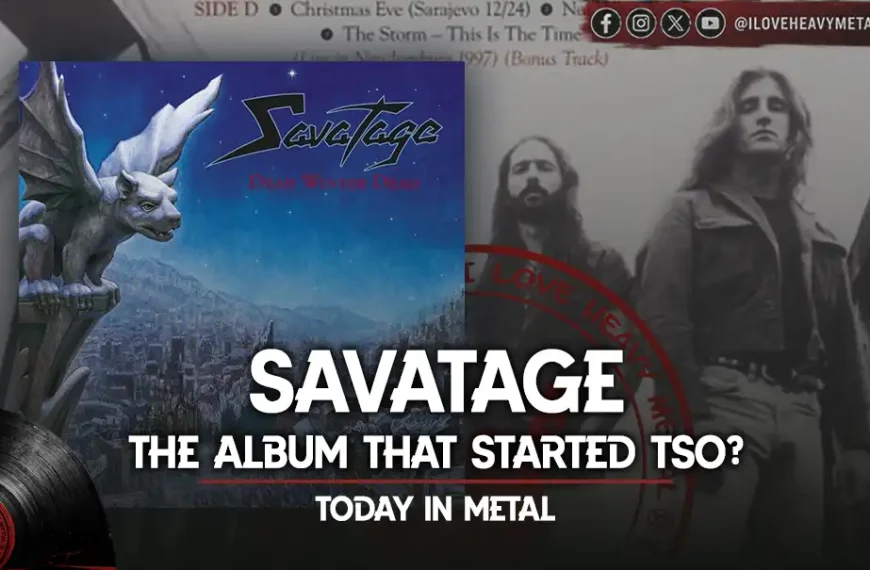
Nevermore released “Dead Heart in a Dead World” in 2000 which many people consider to be their best work to date. Their use of seven-string guitars and their continued exploration of intricate song structures and melodic depth on this album signalled a sea change in their style. Loomis virtuosity guitar work took centre stage in songs like “The River Dragon Has Come”, “Narcosynthesis” and “We Disintegrate” which included complex rhythms, soaring vocals and strong riffs.
The album received widespread critical acclaim and helped establish Nevermore as a force in the global metal scene. Its exploration of dark themes such as existential dread, societal decay and inner turmoil struck a chord with listeners. “Dead Heart in a Dead World” is often cited as one of the greatest progressive metal albums of all time, influencing countless bands and musicians within the genre.
The release of “This Godless Endeavour” in 2005 another significant discography release, furthered Nevermore momentum. Remarkable producer Andy Sneap produced the album, which combines intricate arrangements with potent, philosophical themes in a display of technical mastery and cerebral profundity. With their combination of crushing intensity with reflective, thought-provoking lyrics, songs like “Born”, “Final Product” and the epic title track “This Godless Endeavour” demonstrated the band’s ongoing development and maturity.
The album became a defining statement for the band, representing everything Nevermore had come to stand for: unparalleled musicianship, hauntingly poetic lyrics and a sound that was both progressive and crushingly heavy.
Later Years and Challenges
Nevermore continued to travel widely after “This Godless Endeavour” became successful, but internal conflicts started to show. “The Obsidian Conspiracy” was the band’s seventh and last studio album, available in 2010. The album was not as well regarded as their other works, despite having great songs like “Without Morals” and “The Day You Built the Wall”. Some fans and critics saw a change in the band’s dynamics and sound.
Due to personal and artistic disagreements, Jeff Loomis and drummer Van Williams departed the band shortly after the release. Thus placing Nevermore on permanent hiatus. The band never formally reunited, despite discussions about possible reunions and new songs.
Warrel Dane’s Passing and Legacy
While in Brazil working on his second solo record, Warrel Dane tragically died of a heart attack on December 13, 2017, at the age of 56. Though his passing ended any dreams of a Nevermore reunion. His impact on metal — both through Sanctuary and Nevermore — left a lasting impression on the genre. One of the most identifiable voices in metal is Dane’s distinct vocal style. Which combines an operatic range with unadulterated emotional intensity.
In 2014, Jeff Loomis joined the Swedish melodic death metal band Arch Enemy. Where he continues to demonstrate his guitar skills and inventiveness.
Legacy and Influence
Nevermore left behind a legacy of unwavering creative vision, technical mastery and profound emotional resonance in metal. They stand out from their contemporaries due to their ability to explore dark and introspective lyrical subjects. While fusing the intensity of thrash metal with the intricacy of progressive metal.
Known as metal classics albums such as “Dreaming Neon Black”, “Dead Heart in a Dead World” and “This Godless Endeavour” have influenced bands from many different genres. Jeff Loomis’ incredible guitar work and Warrel Dane eerie vocals are just two examples of how Nevermore continues to be a touchstone for both artists and fans.

Conclusion: A Legacy Carved in Metal
Nevermore story is one of artistic integrity, technical mastery and emotional depth. Though their career was cut short, their impact on progressive metal and beyond is undeniable. Their music continues to inspire new generations of metal musicians! Their influence can be heard in many modern progressive and melodic metal bands today.
Even though the band may be gone, the legacy of Nevermore endures—powerful, dark and unforgettable.
Studio albums
Nevermore (1995)
The Politics of Ecstasy (1996)
Dreaming Neon Black (1999)
Dead Heart in a Dead World (2000)
Enemies of Reality (2003)
This Godless Endeavor (2005)
The Obsidian Conspiracy (2010)
Final line-up
Warrel Dane – lead vocals (1992–2011; died 2017)
Jim Sheppard – bass (1992–2011)
Jeff Loomis – guitars, backing vocals (1992–2011)
Van Williams – drums (1994–2011)



 By
By