Some songs begin in a studio, some start long before, as words, ideas and stories waiting for the right time to spring to life.
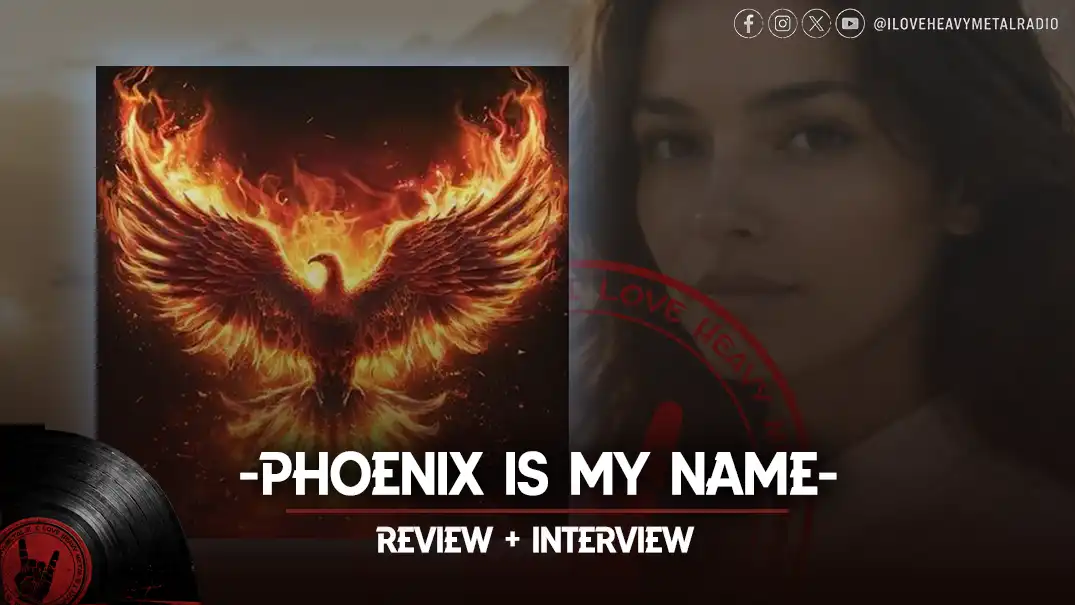
For the artist behind “Phoenix is My Name” that moment arrived. Songs written but never recorded or released have now been let out into the world with the help of modern technology, making long-held ideas into finished music. The result is a collection of songs about faith, hope, redemption and the journey through life.
We asked the artist a few questions about the story behind “Phoenix is My Name” and how these songs finally came to life.
Zorica: How long did these songs wait to be heard?
Aleksandar: Some of them waited almost twenty years. They were written at different periods of my life and stayed with me all that time. I never really abandoned them. I think they were simply waiting for the right moment and the right way to be heard.
Zorica: What finally made you say “It’s time to bring them to life”?
Aleksandar: At some point I realized that if I kept waiting for the perfect circumstances, these songs might remain unfinished forever. They already had their stories and emotions. What they needed was a new life and a way to reach people today. So I simply said: now is the time.
Zorica: How did AI help you turn your ideas and lyrics into actual songs?
Aleksandar: This is important to clarify: AI did not compose these songs. Most of them already existed as instrumental compositions that I had written years ago. The music, melodies, bass lines, structure and original ideas were already there. What AI gave me was a new production tool. I use it to explore arrangements, create a more modern production and add vocals to music that was originally instrumental. The creative foundation comes from me; AI helps me bring that foundation into the sound I hear in my head.
Zorica: How did you feel when you heard one of your songs come to life?
Aleksandar: It was strange and emotional, especially hearing music that had lived in my head for so many years suddenly sound complete. You know every note because you’ve carried it with you for years, but then you hear a voice singing over it and the whole song becomes something new. There were moments when I just sat there listening and thought, “Yes. This is what I was hearing inside me all along.”
Zorica: Your songs talk about faith, hope and the struggles of life. What inspires you to write about these things?
Aleksandar: Life itself. Faith, hope, pain, love, losing your way and finding it again — these aren’t abstract subjects to me. They’re part of being human. My Christian faith is also deeply connected to the way I see those experiences. I don’t want to preach through music; I want to tell stories about the things people actually go through and leave a light somewhere inside those stories.
Zorica: From metal and rock to acoustic sounds, why explore different styles?
Aleksandar: Because I don’t believe music should have too many rules. I start with the emotion and the story, and then I let them decide what the song needs. Sometimes that means heavy guitars and metal, sometimes rock, sometimes something ethnic or unusual rhythmically, and sometimes almost nothing but an acoustic sound. For me, genre serves the song — the song doesn’t serve the genre.
Zorica: Which song hits you the hardest personally and why?
Aleksandar: This one is difficult because every song carries a different part of me. But Going Together has a special place because it represents a journey — walking through struggle, pain and victory without walking alone. I wrote the music during a difficult period of my life, so hearing what it eventually became carries much more than just musical meaning for me.
Zorica: Using AI in music split fans. What would you say to someone who presses play with doubts?
Aleksandar: I’d say: forget how it was produced for a few minutes and just listen. If it makes you feel something, then we’ve already found common ground. AI is a tool in my process; it isn’t the reason the music exists. These compositions existed before today’s AI tools did. Technology helped me finally produce and present them in a way that wasn’t possible for me before. Judge the music by what reaches you through the speakers.
Zorica: What do you hope listeners feel when they hear Phoenix is My Name?
Aleksandar: I don’t want to tell listeners exactly what they should feel. I’d rather they find themselves somewhere inside the music. Maybe one person hears hope, another hears strength, another remembers something they’ve been through. But if there’s one thread running through Phoenix Is My Name, it’s that darkness isn’t necessarily the end of the story. There can always be another beginning.
Zorica: The songs are out there now. So what’s next?
Aleksandar: More music. I have ideas and compositions that still haven’t been released, and I’m constantly hearing new things in my head. I don’t want Phoenix Is My Name to become predictable. The next song might be heavy, acoustic, strange, beautiful — maybe all of those at once. The important thing is that it remains true to the story I’m trying to tell.
Listen to “Phoenix is My Name” and discover the songs that waited years for the chance to finally be heard.

 By
By