Nothing screams extreme metal quite like corpse paint. That stark, skeletal black-and-white face paint has been tied to the genre’s dark, horror obsessed image for decades. While early shock rock pioneers like Alice Cooper and Arthur Brown got the ball rolling with theatrical makeup, the classic corpse paint look really took shape during the early ’90s Norwegian black metal scene.
It brings an unsettling, larger than life vibe to live shows that metal fans still eat up today. Here are 10 bands that took corpse paint and made it iconic.
Paying Respect to the Pioneer: King Diamond
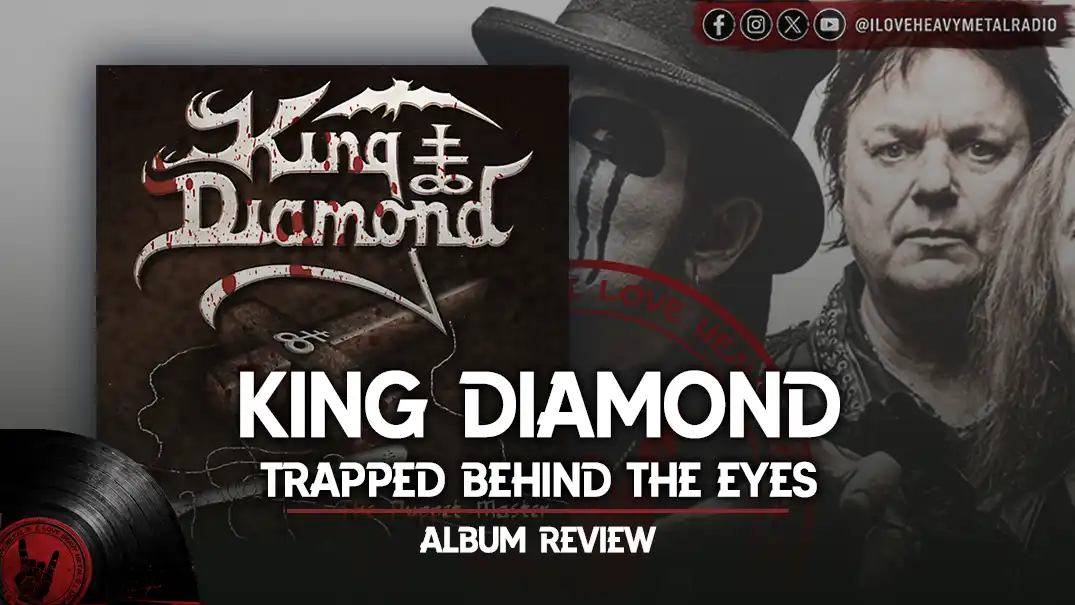
Before diving into the list, it’s impossible not to tip a hat to King Diamond. Long before Norwegian black metal made corpse paint a strict uniform, the Danish frontman both with Mercyful Fate and his solo band turned his stark, cross-adorned black and white makeup into a heavy metal trademark. His sinister falsetto and theatrical, horror movie stage presence showed an entire generation of extreme metal musicians how powerful a painted face could be. Without King Diamond laying down that blueprint in the 1980s, half the bands below might look very different today.
1. Darkthrone
You can’t talk about corpse paint without bringing up Darkthrone. The Norwegian duo’s high contrast, minimalist makeup on classic covers like A Blaze in the Northern Sky and Transilvanian Hunger basically wrote the visual rulebook for second wave black metal. They haven’t played live in decades, yet those stark black and white photos paired with their raw, freezing cold sound remain some of the most recognizable images in heavy music.
2. Carach Angren
This Dutch symphonic black metal act treats every album and live show like a Victorian ghost story. Their sharp, expressive face paint fits right into their theatrical storytelling, turning their concerts into something closer to a live horror movie than a standard metal gig.
3. Immortal
Coming out of Norway with a sound as harsh as a blizzard, Immortal made corpse paint look almost mythical. Frontman Abbath’s jagged, bat like black and white design became legendary in its own right, matching the band’s grim, frostbitten riffs.
4. Watain
For Sweden’s Watain, face paint isn’t just a costume, it’s part of a full blown ritual. When they hit the stage surrounded by fire, animal skulls and real blood, the smeared paint adds to a suffocating, genuinely ominous atmosphere.
5. Emperor
During their classic ’90s run, Norway’s Emperor paired traditional corpse paint with medieval armor and regal outfits. Against their massive, orchestral take on black metal, the look made them appear less like regular musicians and more like dark fantasy warlords.
6. Gorgoroth
Gorgoroth plays fast, ugly and unapologetically blasphemous Norwegian black metal and their look matches the music. Their aggressive stage presence, harsh paint and notorious live imagery create a tense, chaotic environment from the first note.
7. Cradle of Filth
Britain’s Cradle of Filth leans heavily into gothic horror and vampire aesthetics. Frontman Dani Filth and his bandmates wear detailed, artistic face paint that pairs naturally with his piercing shrieks and their macabre, over the top stage show.
8. Mayhem
Mayhem sits right at the center of Norwegian black metal history. Their late vocalist, Dead, played a huge role in inventing the rotting, corpse like makeup style that gave the trend its name, cementing Mayhem’s reputation as one of the most extreme and notorious bands on the planet.
9. Behemoth
Poland’s Behemoth doesn’t stick to traditional Norwegian style paint, and that’s what makes them stand out. Led by Nergal, the blackened death metal giants wear intricate, occult inspired makeup and elaborate stage gear that turn their shows into dark, ritualistic spectacles.
10. Dimmu Borgir
Norway’s Dimmu Borgir pairs huge, cinematic orchestrations with blistering metal, so subtle makeup was never going to cut it. Their detailed, demonic corpse paint holds its own alongside their massive stage setups and dark, brooding lyrics.
Wrapping Up
Corpse paint has stuck around because it works. It isn’t just cheap shock value, it’s a visual extension of the music itself, giving bands a way to shed their everyday identities and step into something darker. From raw underground pioneers to massive arena acts. These ten bands proved just how powerful a little black and white paint can be.

 By

 By
 By